The Mekong Sustainable Manufacturing Alliance brings together manufacturers, global brands, and technical experts to strengthen environmental, social, and governance practices across Cambodia, Thailand, and Vietnam.
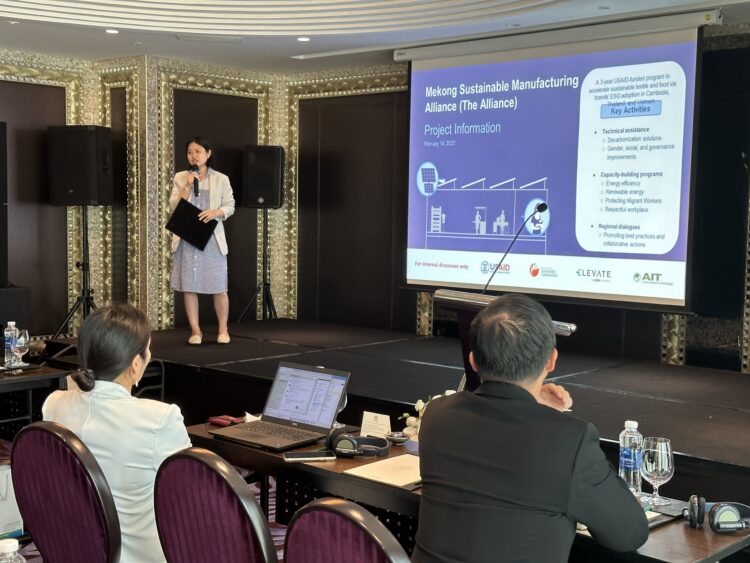
The Mekong Sustainable Manufacturing Alliance (the Alliance) brings together manufacturers, global brands, and technical experts to strengthen environmental, social, and governance (ESG) practices across the Mekong region.
Launched in 2020 by the Institute for Sustainable Communities (ISC) in partnership with ELEVATE and the Asian Institute of Technology, with support from the United States Agency for International Development (USAID), the Alliance works with factories in Cambodia, Thailand, and Vietnam to improve workplace safety, environmental performance, and long-term competitiveness.
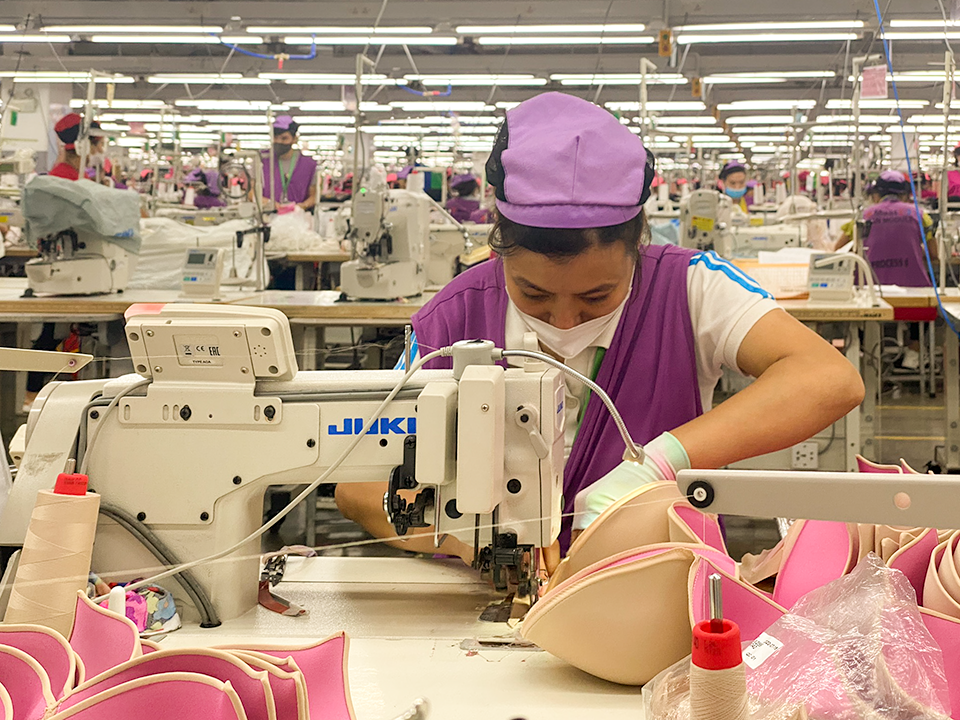
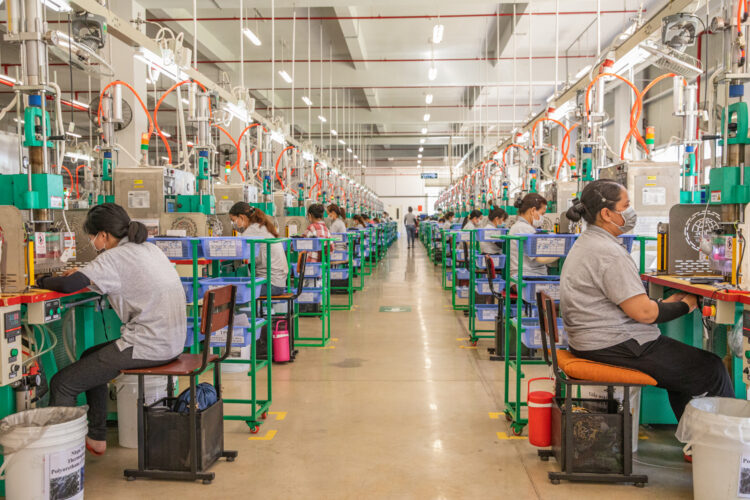
Through practical training, technical support, and regional collaboration, the Alliance helps manufacturers adopt responsible production practices that benefit workers, businesses, and surrounding communities. By connecting factories with global brands and industry expertise, ISC and our partners help translate sustainability commitments into real improvements on the factory floor.
Our Impact
MSMA By the Numbers
200+ Factories
Factories across Cambodia, Thailand, and Vietnam worked with the Alliance to strengthen ESG practices and adopt more sustainable manufacturing approaches.
15+ Brands
Leading global apparel and food brands partnered with the Alliance to improve sustainability across supply chains and support responsible manufacturing in the Mekong region.
70% Improved Performance
More than 70% of of manufacturers receiving technical assistance reported measurable improvements in ESG performance.
68,000 Tons of tCO2e Reduced
The Alliance worked with three apparel manufacturers to install three rooftop solar systems totaling 4.5 megawatts, which will reduce or avoid more than 68,000 tons of carbon dioxide equivalent over 15 years – the equivalent of emissions from burning 76 million pounds of coal.
1 Sustainable Biomass Guidelines
In collaboration with H&M, VF Corporation, adidas, GAP, and Ralph Lauren, the Alliance developed the sector’s first Sustainable Biomass Guidelines and risk assessment tool to support responsible energy sourcing.
46 Training Sessions
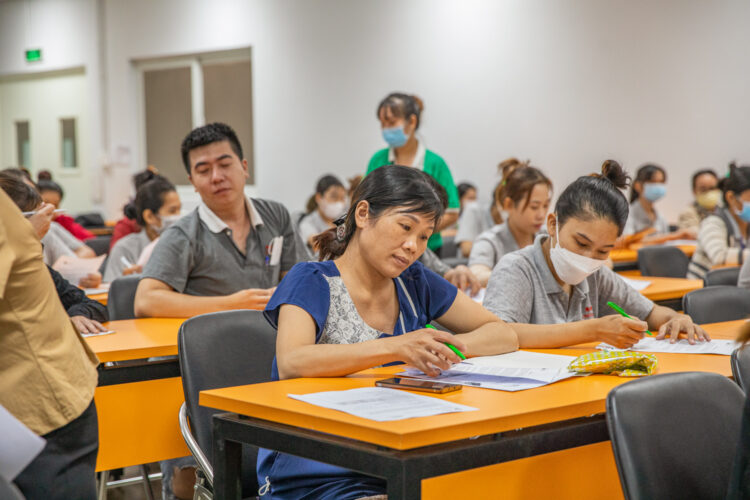
Training sessions on ESG topics reached almost 6,000 factory managers, technical staff, and workers – over 80% of whom are women – supporting climate-smart production and safer workplaces across the region.
51 Manufacturers Taking Action
Following training and support from the Alliance, 51 manufacturers implemented improved ESG business practices.
40 Knowledge Resources
Practical guidance materials supported manufacturers and partners in adopting sustainable solutions and share lessons across the region.
25,000+ People Reached
Alliance knowledge resources and communications reached thousands of stakeholders through workshops, publications, and digital outreach.
“Collaborating with the Mekong Sustainability Manufacturing Alliance in the areas of renewable
energy and gender equity has motivated the Crystal Martin (Vietnam) team in our green journey.
We benefit from technical support such as the feasibility study on our solar rooftop, onsite training,
and communication campaigns on promoting gender equity. I firmly believe that cross-party
cooperation will be practical for not only the manufacturing sector, but also the community in the
long run.”
– Oun Purin Kaowsiri, General Manager, Crystal Martin (Vietnam)
Sustainable Biomass Guidelines
The fashion industry is a major contributor to global energy use and greenhouse gas emissions. Because clothing production relies on complex global supply chains and energy-intensive manufacturing, the sector accounted for roughly 2% of global carbon emissions in 2019, according to data from the Global Carbon Emissions of the Apparel Sector. Without action, emissions from apparel production could increase by 60% by 2030, reaching an estimated 1.6 billion tons of carbon.
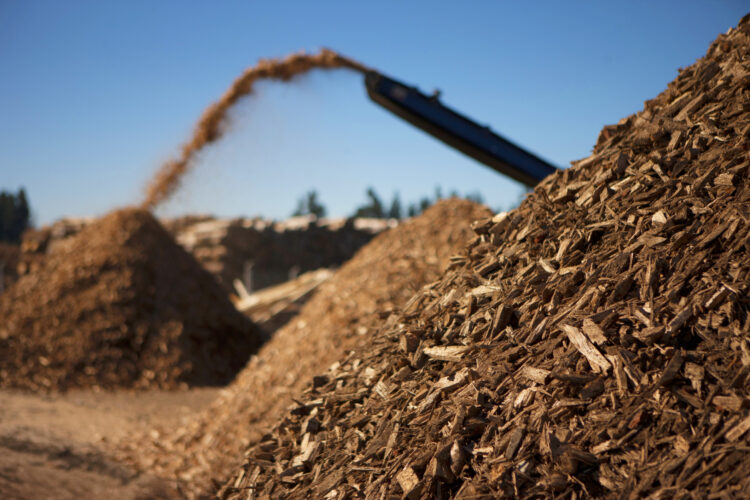
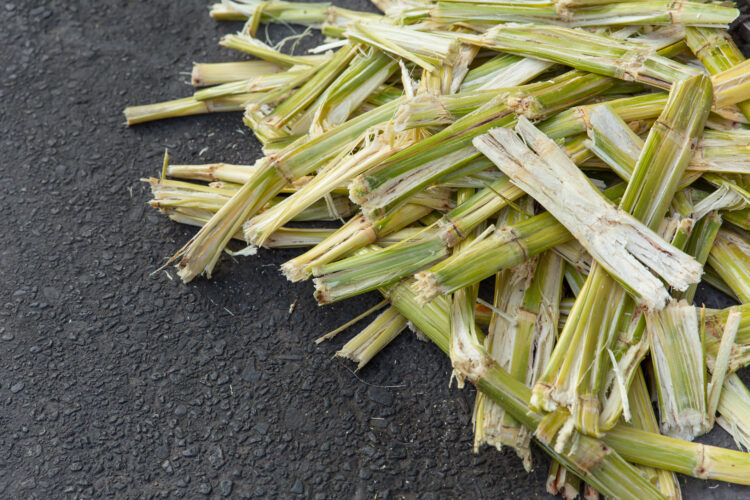
Many textile factories rely on fossil fuels to generate the heat and steam needed for manufacturing. Biomass energy, organic material such as agricultural residues or wood waste, offers a potential lower-carbon alternative. When sourced responsibly, biomass can help manufacturers reduce emissions while maintaining the energy needed for production processes.
However, biomass is not automatically sustainable. Poorly managed biomass supply chains can contribute to deforestation, air pollution from combustion, or competition between food production and energy use. To ensure biomass solutions truly support climate and community well-being, manufacturers need clear guidance on how to evaluate sources and manage environmental and social risks.
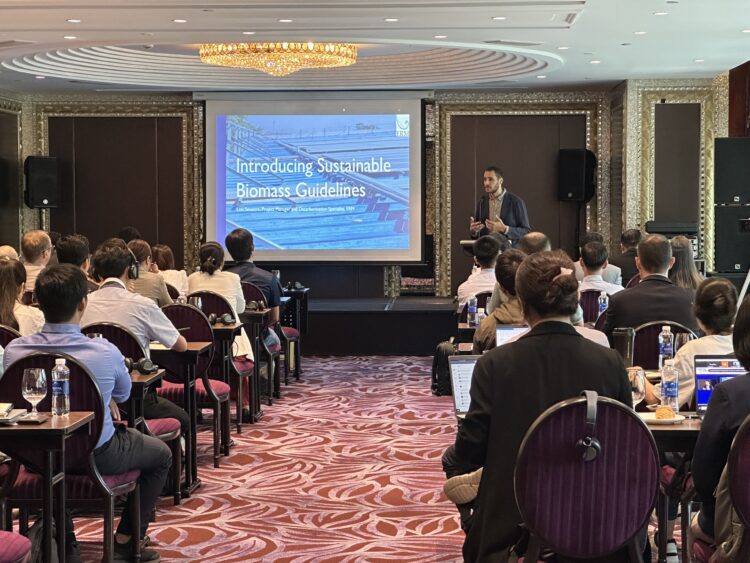
Through the Mekong Sustainable Manufacturing Alliance, partners developed Sustainable Biomass Guidelines to help factories make informed decisions about biomass energy.
The guidelines help manufacturers:
Understand different biomass types and the environmental and social risks that can arise throughout the supply chain.
Evaluate biomass suppliers using practical tools and screening approaches that assess sustainability risks.
Select responsible biomass sources and implement mitigation measures when potential risks are identified.
By providing practical guidance, these tools help manufacturers reduce emissions while protecting forests, communities, and local ecosystems, demonstrating that climate solutions in manufacturing can support both environmental and economic resilience.
ISC and Alliance partners work alongside manufacturers and global brands to support factories in adopting practical solutions that improve environmental performance, workplace conditions, and business outcomes.
Tailored guidance for climate and ESG solutions
We provide tailored guidance that supports factories in implementing decarbonization strategies, reducing greenhouse gas emissions, and strengthening environmental, social, and governance practices.
Expand factory leadership and workforce capacity
We expand factory management’s knowledge of energy efficiency, renewable energy, and respectful workplace practices that improve safety and working conditions.
Boost regional collaboration and learning
We facilitate dialogues, peer learning, and industry exchanges that allow manufacturers, brands, and experts to share best practices on sustainability, climate solutions, and sustainable finance.