Dismantling Energy Inequity in Communities of Color
The Dismantling Energy Inequity in Communities of Color (DEICC) project works to build and improve energy equity in historically-divested communities.
The Dismantling Energy Inequity in Communities of Color (DEICC) project works to build and improve energy equity in historically-divested communities.
Across the United States, communities of color are navigating rising energy costs, aging infrastructure, and increasing climate impacts. Power outages, flooding, extreme heat, and winter storms disrupt daily life and too often, the communities facing the greatestwe economic pressures are hit first and hardest.
Institute for Sustainable Communities (ISC) launched the Dismantling Energy Inequity in Communities of Color (DEICC) initiative to change that reality.
Over 18 months, with funding from the Tides Foundation and resources from Wells Fargo Foundation, we partnered with 10 communities of color to co-create solar-powered community resilience hubs, trusted neighborhood spaces designed to keep people safe, connected, and supported before, during, and after climate disruptions.
A community resilience hub is more than a building. It is a locally anchored, equitably designed gathering place that strengthens community resilience year-round.
Resilience hubs:
Most hubs developed through DEICC are powered by solar energy with battery storage. This clean energy backbone reduces greenhouse gas emissions while ensuring the facility can operate when the grid goes down.
Solar-powered resilience hubs serve as:
In neighborhoods where housing is often energy-inefficient and utility burdens are high, these hubs offer more than emergency relief, they offer stability, dignity, and local control.
ISC partners with 10 community-based organizations led by people of color to advance the planning and implementation of solar-powered resilience hubs.
ISC provided partners with practical skills, technical guidance, and peer learning opportunities to strengthen their projects through multiple trainings and workshops.
ISC created and shared eight tools, resources, and curricula to support partners in designing, implementing and sustaining resilience hub initiatives.
Through networking and connections, 20 community-based organizations received the knowledge and tools necessary to strengthen local climate resilience.
Partners advanced 13 community-driven initiatives and policies supporting clean energy access, community resilience, and climate preparedness.
“The ISC-PRC partnership has supported organizing around resilience as well as the pivots we had to make during and after the pandemic. This partnership has honored the relationship-building across community members to build the trust needed for successful resilience hub creation and deployment. The ISC-PRC gatherings helped us learn from other organizations developing hubs in their own contexts, providing inspirational examples to us. This partnership also provided helpful technical assistance – from the goal setting and design phase (when we needed technical language to launch a solar energy system for the community) to the added capacity for storytelling and model-building.”
“The DEICC project is really the heart of where we need to be because we don’t have staff that is steeped in environmentalism or clean energy technologies, so we need the guidance; we need the technical assistance that the organization and the project itself bring to us. We really couldn’t do it without this organization supporting us.”
Kimberly T. Henderson, President & CEO, Neighborhood Housing Services of South Florida
DEUCC was designed to support community-based organizations at one of the following phases of solar resilience hub development:
Through this phased approach, DEICC helped communities move from vision to implementation—strengthening local leadership and accelerating practical, clean energy solutions.
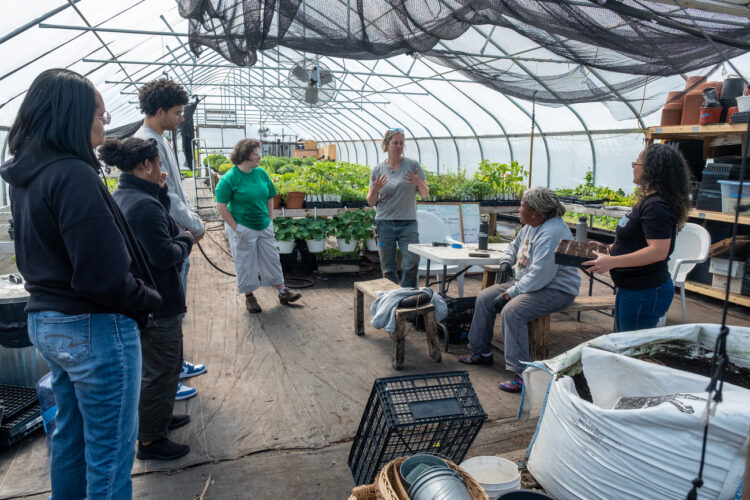
Our team provides hands-on support for feasibility studies, system design, financing, and solar resilience hub implementation.
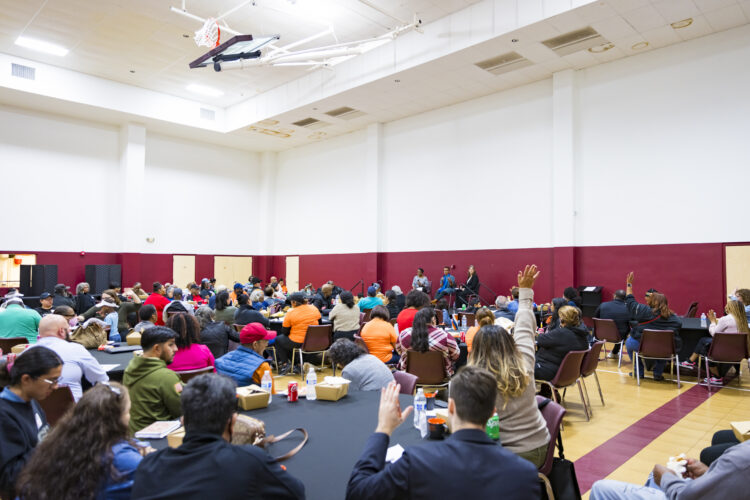
We work alongside leaders and organizations to build the systems, skills, and resources they need to lead and sustain clean energy projects.
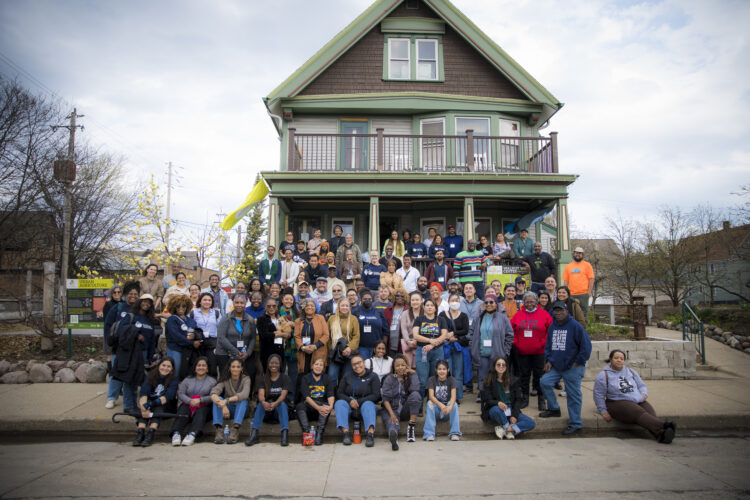
We bring partners together with other ISC cohorts and each other to share lessons, solve challenges, and strengthen collective impact.
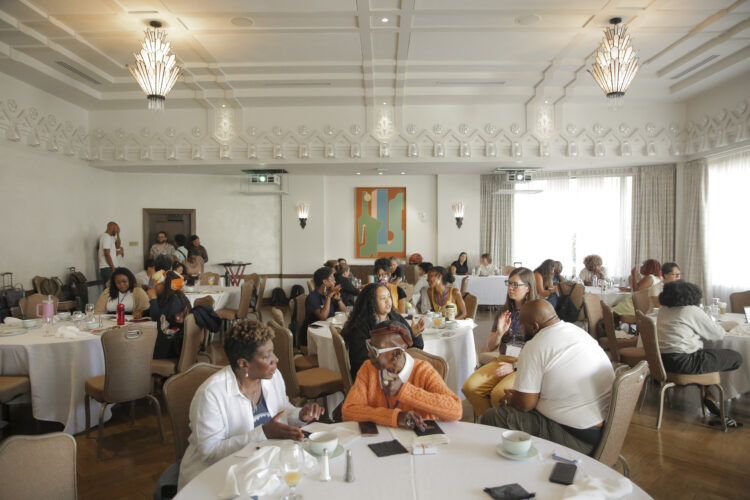
We connect DEICC partners with funders, experts, and peers to expand resources and opportunity.