Climate and Health Rural Emergency Response
This project equips village doctors and rural clinics in China with the skills, tools, and procedures needed to respond to climate-induced health emergencies, particularly extreme heat.
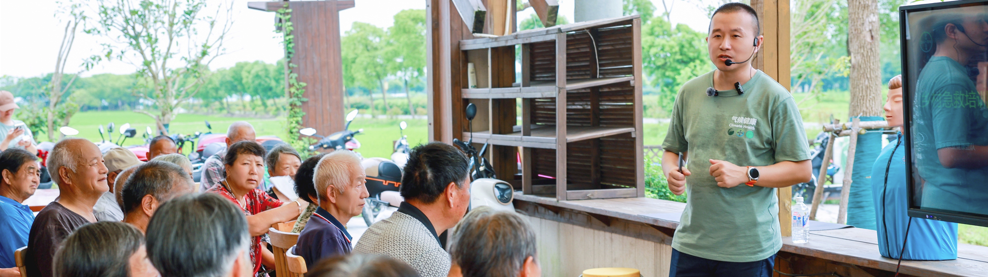
This project equips village doctors and rural clinics in China with the skills, tools, and procedures needed to respond to climate-induced health emergencies, particularly extreme heat.
With joint support from ISC and the Bayer Foundation, ISC has launched a 12-month pilot to equip village doctors and rural clinics in China with the skills, tools, and procedures needed to respond to climate-induced health emergencies, particularly extreme heat.
Farming communities are increasingly exposed to climate-driven health risks, yet climate risk has not been systematically built into the primary health care they rely on. Heatstroke and dehydration shock are growing threats for outdoor and agricultural workers. Rural clinics, the first point of contact for these communities, often lack the training, supplies, and protocols to respond effectively.
The Climate & Health Rural Emergency Response Pilot is a 12-month initiative to equip village doctors and rural clinics in China with the skills, tools, and procedures needed to respond to climate-induced health emergencies, particularly extreme heat.
The pilot will be implemented in Guangdong and Shanghai, two regions with strong health systems but growing exposure to heat stress affecting agricultural workers and rural residents. It will integrate climate-specific emergency training, basic heat-relief and first-aid supplies, and new response protocols into existing community-based organizations (CBOs) and village clinics.
The project builds on ISC’s Resilient Communities Leadership Accelerator (RCLA) methodology and leverages the nationwide rural health platform of Pica Health, which reaches approximately three million village doctors and 380,000 village clinics across China.
The pilot is expected to generate evidence and a scalable model that can influence how rural health systems across China and potentially other countries.
“Protecting the health of farming communities under climate stress is an urgent and often overlooked challenge. We are proud to support this innovative partnership, which brings together ISC’s community resilience expertise, Pica Health’s rural health infrastructure, and our foundation’s commitment to ‘Health for All, Hunger for None.”
“We should indeed take the just transition into account when designing the carbon market mechanism”
“We should indeed take the just transition into account when designing the carbon market mechanism”
“We should indeed take the just transition into account when designing the carbon market mechanism”
Pilot regions in Guangdong and Shanghai
Village-Level clinics in the pilot program
Farmers reached in rollout phase
The pilot is expected to generate evidence and a scalable model for a future climate-resilient rural doctor network that can influence how rural health systems respond to climate challenges across China and other countries.
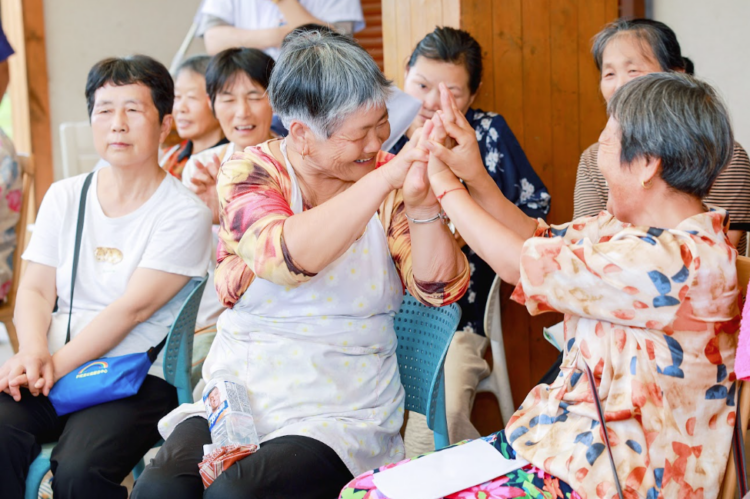
Building the capacity of rural communities and health systems to prepare for climate impacts.
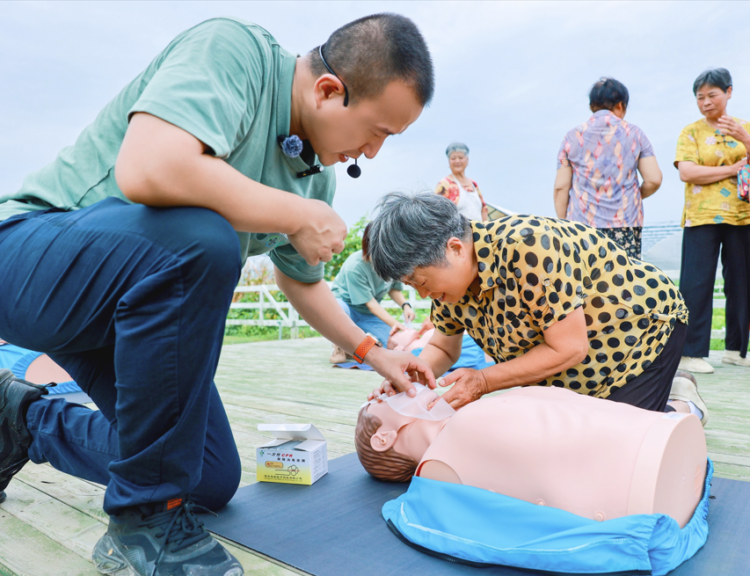
Strengthening primary healthcare systems to respond to climate-related emergencies.
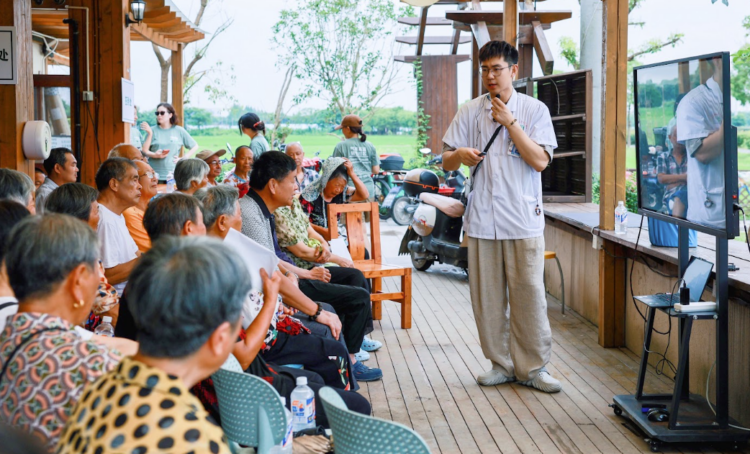
Capturing evidence and best practices to create a scalable model for climate-resilient care.