Advancing Equitable Building Decarbonization
The Advancing Equitable Building Decarbonization (AEBD) project focuses on growing community capacity to implement equitable building decarbonization in communities of color.

The Advancing Equitable Building Decarbonization (AEBD) project focuses on growing community capacity to implement equitable building decarbonization in communities of color.
Climate change is changing everything, and in communities of color it is further exacerbating inequities resulting from systemic and institutional racism. With change at this scale, there are also opportunities to work toward a more just future through a just transition from extractive economies. Equitable building decarbonization provides opportunities to improve health, economic opportunity, and housing opportunities for Black and brown communities.
The Advancing Equitable Building Decarbonization (AEBD) project focuses on growing community capacity to implement equitable building decarbonization in communities of color. This project will convene leadership alliances in Oakland,CA, St. Louis, MO and Philadelphia, PA to implement demonstration projects and develop replicable products for directing resources toward Black and brown building owners. Learn more about AEBD and project participants.
Since 2023, AEBD has served almost 50 organizations and 130 individuals, providing technical assistance on grant writing opportunities totaling $20M and hosting almost 50 hours of peer-to-peer networking and learning.
Pilot Projects
Philadelphia, PA; Oakland, CA; & St. Louis, MO
Leadership Alliance Members
Across all cities
Virtual and In-person Learning
Includes webinars, convenings, and peer-to-peer networking sessions
Energy Savings in 2025
In buildings receiving updates
Estimated Yearly Savings
In buildings receiving updates
Age of oldest furnace replaced
Office building in St. Louis
“Recent natural disasters have had severe impacts on disinvested communities—which are disproportionately impacted by these events and often equipped with less resources to recover. The AEBD project is one of many ways that ISC is working at the intersection of people and planet—supporting locally led organizations to reduce emissions, lower energy costs, and improve air quality in the communities most vulnerable to climate change and weather events.”
— Rebecca Kaduru, ISC President
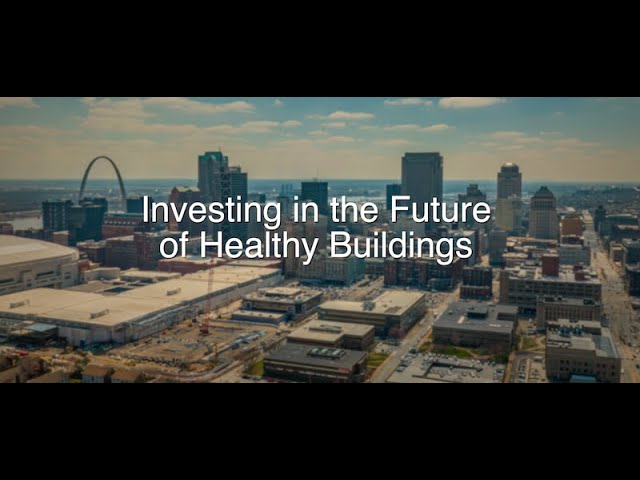
The places where we live, work, and play are key to addressing what our future with increased climate impacts look like. This means adapting our buildings to more extreme temperatures, poorer air quality, and most importantly, the thriving future that we would like to see.
Through this work, it is our goal to work with Black and brown building owners to identify what the community’s key needs are as it relates to their building. From there, we work with the building owners to address the need through the lens of creating a climate solution as well.
For example, a community resilience hub may bring up that individuals who live around the building feel unsafe at night and that having brighter lights would help people feel safer. We can address this need and incorporate a strategy to reduce energy costs and greenhouse gas emissions by utilizing LEDs and upgrading exterior lighting.
in leadership alliances in Oakland, CA; Philadelphia, PA; and St. Louis, MO
of additional building decarbonization projects
community education and training on reducing energy burdens and consumption