How Philanthropy Can Strengthen Asia’s Front Line of Climate and Health Resilience
October 6, 2026 | By Pan Tao, Ph.D.
 " class="img-fluid" alt="How Philanthropy Can Strengthen Asia’s Front Line of Climate and Health Resilience">
October 6, 2026 | By Pan Tao, Ph.D.
" class="img-fluid" alt="How Philanthropy Can Strengthen Asia’s Front Line of Climate and Health Resilience">
When we think about preparing communities for climate change, investment often centers on physical infrastructure, from stronger buildings and energy systems to flood protection. Less attention is paid to the local health worker called when a farmer collapses from heat exhaustion, or the rural clinic that recognises and treats climate-related illness before it becomes life-threatening.
Across Asia, climate change is increasingly a public health challenge. In China, more than 53,000 cases of heat-related illness across multiple study sites between 2013 and 2022. Each 1°C increase in average daily temperature was associated with a 21% increase in the relative risk of heat-related illness. The World Health Organization estimates that climate change could cause approximately 250,000 additional deaths globally each year between 2030 and 2050 from heat stress, malnutrition, malaria, and diarrhea alone.
As climate impacts intensify, philanthropy has an important role in strengthening the local health systems communities will increasingly rely on…
Shanghai, China
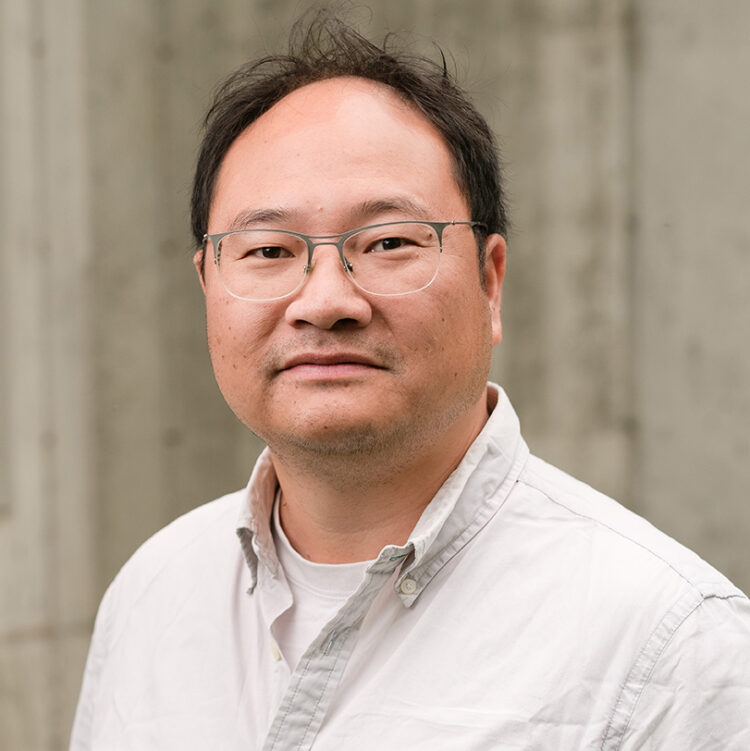
Pan Tao, Ph.D, is ISC’s China Program Director, leading work on resilient communities, sustainable supply chains, and just transition policy. With 20+ years of experience in climate and environmental planning, he connects local action with national impact. He has held roles with the Clinton Climate Initiative and GTZ’s Eco-City Program, and led ISC’s U.S.-China Partnership for Climate Action. Pan holds a Ph.D. from Nanjing University and founded Shanghai’s first community garden, Ecoland Club Farm.